IVF Treatment Cost in the USA: Insurance Coverage, Success Rates & Financial Planning Guide (2026)
IVF Treatment Cost in USA is an important consideration for individuals and couples planning fertility treatment in 2026. Understanding IVF pricing, fertility insurance coverage, medication expenses, and financing options can help prospective parents prepare for treatment.
In vitro fertilization (IVF) is a widely used assisted reproductive technology that helps people facing fertility challenges. However, treatment costs vary depending on the fertility clinic, medical requirements, insurance benefits, and additional procedures.
This comprehensive guide explains IVF treatment costs in the United States, insurance coverage options, IVF success rates, and practical financial planning strategies for prospective parents.
In vitro fertilization (IVF) has helped many individuals and couples pursue their dream of becoming parents. However, understanding IVF treatment costs in the USA can be challenging, especially when considering fertility medications, insurance coverage, clinic fees, and additional procedures.
For people exploring fertility treatment in 2026, financial preparation is an important part of the process.
This comprehensive guide explains how IVF works, what influences IVF treatment costs, how fertility insurance coverage varies, and how prospective parents can prepare for treatment expenses.
1. What Is IVF Treatment?
In vitro fertilization, commonly called IVF, is a fertility treatment in which eggs are collected from the ovaries and fertilized with sperm in a laboratory.
After fertilization, an embryo may be transferred into the uterus with the goal of establishing a pregnancy.
IVF may be considered for people experiencing infertility, certain reproductive health conditions, or other circumstances requiring assisted reproductive technology.
A fertility specialist can help determine whether IVF is an appropriate treatment option.
2. How Much Does IVF Cost in the USA in 2026?
IVF treatment costs vary significantly between fertility clinics and individual treatment plans.
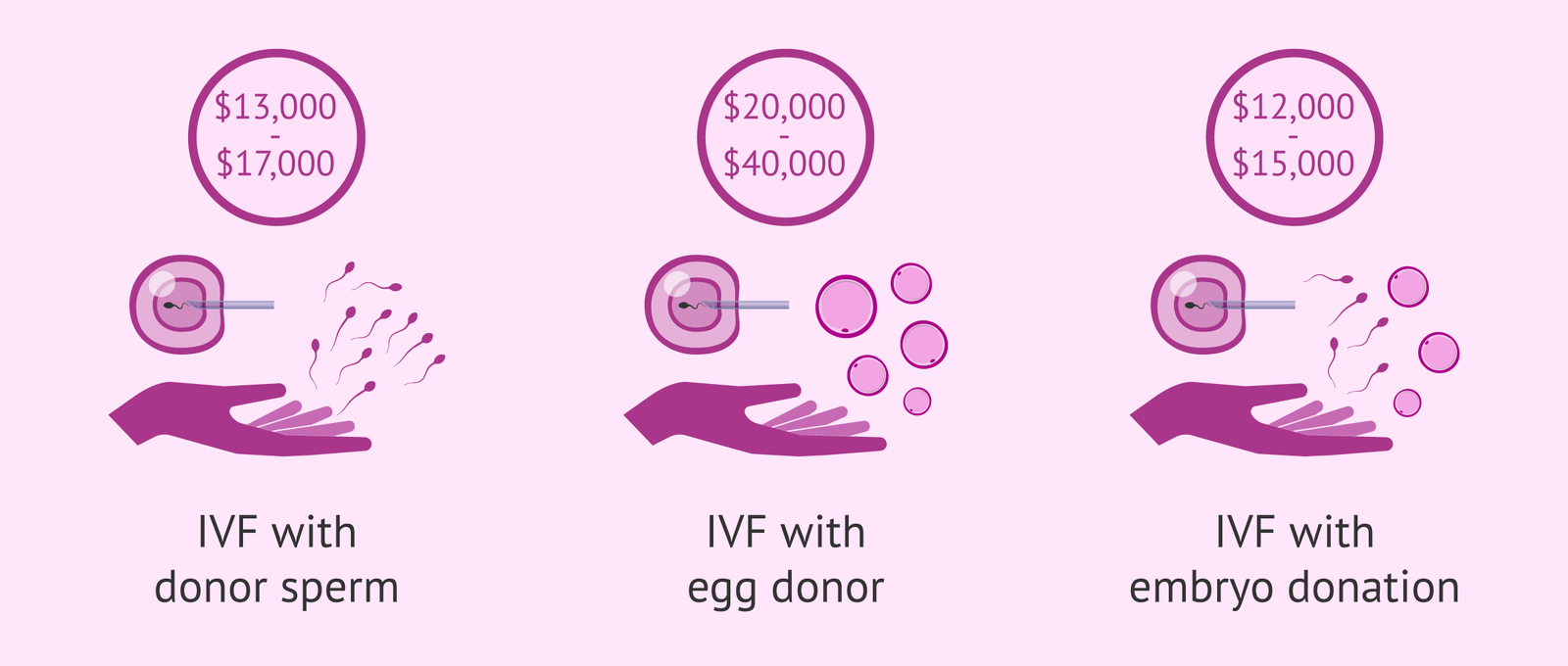
A commonly cited planning range for one IVF cycle in the United States is approximately $12,000 to $25,000 or more, although some patients pay substantially more when medications, genetic testing, embryo freezing, and additional services are included.
WORLDHEALTH.ORG
These figures are broad estimates rather than verified national averages for 2026.
The total amount depends on factors such as:
- Fertility clinic location
- Medical history and treatment requirements
- Fertility medication dosage
- Laboratory procedures
- Insurance benefits
- Number of treatment cycles
- Additional fertility services
Patients should request a detailed, written treatment estimate before beginning IVF.
3. IVF Treatment Cost Breakdown
Understanding individual treatment expenses can help prospective parents prepare a realistic budget.
| IVF service | Illustrative planning estimate |
|---|---|
| Initial fertility consultations and testing | $300–$2,000+ |
| Ovarian stimulation medications | $3,000–$7,000+ |
| Egg retrieval and laboratory procedures | $5,000–$12,000+ |
| Embryo transfer | $1,000–$4,000+ |
| Embryo freezing | $500–$2,000+ |
| Genetic testing, when recommended | $2,000–$6,000+ |
These are approximate, potentially overlapping cost ranges, not a standardized national price list. Some clinics bundle several services into one cycle price. Do not add every row together without reviewing the clinic’s package.
4. Why Is IVF Treatment Expensive?
IVF involves specialized medical professionals, laboratory equipment, medications, monitoring, and multiple clinical procedures.
Fertility clinics must maintain controlled laboratory environments and employ trained reproductive endocrinologists, embryologists, nurses, and laboratory specialists.
Individual treatment plans may also require additional monitoring or specialized procedures.
These factors contribute to the overall cost of fertility treatment.
5. Does Health Insurance Cover IVF in the USA?
Some health insurance plans provide fertility treatment benefits, but IVF insurance coverage is not universal.
Coverage varies by state, employer, insurance provider, and plan type.
Certain states require specific insurance plans to provide infertility-related benefits, while others have more limited requirements.
Self-funded employer health plans may follow different rules from fully insured plans.
Before starting IVF, contact your insurer and request written confirmation of covered services, exclusions, prior authorization requirements, and patient cost-sharing.
6. What Does Fertility Insurance Usually Cover?
Depending on the policy, fertility insurance may cover some or all of the following:
- Fertility consultations
- Diagnostic blood tests
- Ultrasound monitoring
- Certain fertility medications
- Egg retrieval procedures
- Embryo transfer
- Laboratory services
Some plans cover infertility diagnosis but exclude IVF procedures.
Others provide a lifetime fertility benefit or limit the number of covered treatment cycles.
Always verify the specific benefits of your policy.
7. IVF Insurance Coverage by State
Fertility insurance laws differ throughout the United States.
States such as Illinois, Massachusetts, Connecticut, and New Jersey have enacted fertility-related insurance mandates, but eligibility and covered benefits vary.
Some mandates apply only to certain fully insured plans or employer categories.
Because legislation and plan requirements can change, prospective patients should verify current requirements with their state insurance department and health insurer.
8. IVF Treatment Without Insurance
Paying for IVF without insurance can create a significant financial burden.
Patients without fertility benefits should compare multiple clinics and request itemized estimates.
Ask whether the quoted price includes medications, monitoring, anesthesia, laboratory services, embryo transfer, and follow-up care.
An apparently inexpensive IVF package may become more costly when necessary services are billed separately.
9. IVF Financing Options
Some fertility clinics work with third-party financing companies that offer loans or payment plans.
Possible options include personal savings, employer fertility benefits, clinic payment arrangements, fertility grants, and healthcare financing programs.
Before accepting financing, compare:
- Annual percentage rate (APR)
- Total repayment amount
- Loan origination fees
- Late payment penalties
- Repayment duration
- Refund and cancellation policies
Financing can spread costs over time, but borrowing increases the total amount paid when interest and fees apply.
10. IVF Grants and Financial Assistance
Some nonprofit organizations offer fertility treatment grants to eligible applicants.
Grant eligibility may depend on income, medical circumstances, location, and other program requirements.
Application deadlines, award amounts, and restrictions vary.
Applicants should verify grant providers independently and avoid organizations that guarantee approval in exchange for substantial upfront payments.
11. IVF Medication Costs
Fertility medications are an important component of IVF treatment expenses.
These medications help stimulate the ovaries and support different stages of treatment.
Medication costs vary based on prescribed drugs, dosage, pharmacy pricing, and insurance benefits.
Patients should not change prescribed medications or dosages solely to reduce costs without consulting their fertility specialist.
12. What Is the IVF Treatment Process?
A typical IVF treatment process involves several stages.
Step 1: Fertility evaluation
The medical team reviews health history and recommends appropriate testing.
Step 2: Ovarian stimulation
Prescription medications stimulate the ovaries while the clinic monitors follicle development.
Step 3: Egg retrieval
Eggs are collected during a medical procedure.
Step 4: Fertilization
Eggs are combined with sperm in a laboratory, sometimes using specialized fertilization techniques.
Step 5: Embryo development
Embryos are monitored in the laboratory.
Step 6: Embryo transfer
An embryo may be transferred into the uterus.
Step 7: Pregnancy testing
The clinic schedules testing to determine whether pregnancy has occurred.
The exact sequence and timing vary by treatment plan.
13. How Long Does an IVF Cycle Take?
The ovarian stimulation and egg retrieval portion of an IVF cycle commonly takes several weeks.
However, initial testing, medication preparation, embryo freezing, genetic testing, and scheduling can extend the overall timeline.
A frozen embryo transfer may take place in a later treatment cycle.
Patients should ask their fertility clinic for a personalized schedule rather than assuming every IVF cycle follows the same timeline.
14. IVF Success Rates in the USA
IVF success rates depend on several factors, including age, medical history, embryo characteristics, and whether donor eggs are used.
It is important to distinguish between pregnancy rates and live-birth rates.
A positive pregnancy test does not necessarily mean the treatment will result in a live birth.
The Centers for Disease Control and Prevention provides assisted reproductive technology data that can help patients understand reported outcomes.
For reliable national information, visit the CDC Assisted Reproductive Technology resource.
15. Does Age Affect IVF Success?
Age can influence fertility treatment outcomes, particularly when patients use their own eggs.
On average, reproductive potential changes with age, but individual circumstances vary significantly.
Fertility specialists consider ovarian reserve, medical history, previous treatments, and other factors when discussing likely outcomes.
No clinic can guarantee a successful pregnancy based solely on age.
16. How Many IVF Cycles Might Be Needed?
Some patients achieve a live birth after one IVF cycle, while others require additional cycles or do not achieve a live birth despite treatment.
The number of cycles depends on individual medical circumstances and treatment outcomes.
Financial planning should consider the possibility of additional cycles without assuming they will be necessary.
17. IVF vs. IUI: Which Is More Affordable?
Intrauterine insemination (IUI) is generally less expensive per treatment attempt than IVF.
However, IUI and IVF are different medical procedures with different indications and success probabilities.
The least expensive procedure is not necessarily the most appropriate treatment.
A fertility specialist can explain the benefits, limitations, and expected outcomes of each option.
18. Additional IVF Expenses to Consider
Some treatment plans include optional or medically indicated services that increase overall costs.
Examples include:
- Intracytoplasmic sperm injection (ICSI)
- Embryo genetic testing
- Donor eggs or sperm
- Embryo freezing
- Long-term embryo storage
- Additional embryo transfers
- Specialized laboratory procedures
Ask which services are medically recommended, which are optional, and what evidence supports their use in your circumstances.
19. How to Compare Fertility Clinics
Choosing a fertility clinic involves more than comparing prices.
Consider clinic experience, transparent billing, laboratory standards, treatment options, communication, and reported outcomes.
Ask whether the clinic provides individualized success estimates and explains how its patient population affects published statistics.
The cheapest clinic may not provide the best overall value for every patient.
20. Questions to Ask Before Starting IVF
Before committing to treatment, consider asking your fertility specialist:
- What treatment options are appropriate for my circumstances?
- What is included in the quoted IVF price?
- Which expenses are billed separately?
- Are additional cycles likely to be needed?
- What are the potential risks and complications?
- How are treatment outcomes measured?
- Which procedures require insurance authorization?
- What happens financially if treatment is canceled?
- Are financing or financial assistance options available?
- What follow-up care is included?
Written answers can make clinic comparisons easier.
21. How to Create an IVF Financial Plan
Start by requesting a complete cost estimate from your fertility clinic.
Review insurance benefits and identify expected out-of-pocket expenses.
Create separate budget categories for treatment, medications, transportation, missed work, and possible additional procedures.
Maintain an emergency reserve where possible.
If borrowing is necessary, calculate the full repayment cost before signing a financing agreement.
22. Pregnancy Planning After IVF
After embryo transfer, the fertility clinic typically provides instructions regarding medications, activity, pregnancy testing, and follow-up appointments.
If pregnancy is confirmed, the medical team will explain when routine prenatal care should begin.
Patients can use pregnancy planning resources and due date tools to understand approximate pregnancy timelines.
A pregnancy due date calculator, such as the one available on MedwellGuide, can provide general educational estimates. However, IVF pregnancies are dated using treatment-specific information, and the treating clinician’s dating should take priority.
23. Common IVF Treatment Risks
IVF is an established fertility treatment, but it carries medical risks.
Possible risks include ovarian hyperstimulation syndrome, complications associated with egg retrieval, ectopic pregnancy, and multiple pregnancy.
The risks depend on the treatment protocol and individual health circumstances.
Patients should discuss potential complications, warning symptoms, and available risk-reduction strategies with their fertility specialist.
24. Emotional and Mental Health Considerations
Fertility treatment can involve uncertainty, emotional stress, and financial pressure.
Patients may benefit from counseling, supportive relationships, and clear communication with their healthcare team.
Some fertility clinics offer access to mental health professionals experienced in reproductive healthcare.
Seeking emotional support can be a valuable part of fertility treatment planning.
IVF Treatment Cost in USA: Complete Price Breakdown for 2026
IVF Treatment Cost in USA: What Patients Should Know
Understanding IVF Treatment Cost in USA is essential for individuals and couples considering fertility treatment. The total expenses depend on fertility clinic fees, prescribed medications, insurance coverage, and additional procedures.
Factors Affecting IVF Treatment Cost in USA
Several factors influence IVF Treatment Cost in USA, including patient medical requirements, clinic location, laboratory procedures, and fertility medications. Comparing detailed clinic estimates can help patients understand potential expenses.
IVF Treatment Cost in USA With Insurance
Health insurance can significantly affect IVF Treatment Cost in USA. Some insurance policies cover fertility testing and selected treatments, while others provide limited or no IVF benefits. Patients should verify their coverage directly with their insurance provider.
IVF Treatment Cost in USA Without Insurance
For uninsured patients, IVF Treatment Cost in USA can represent a substantial financial commitment. Requesting itemized estimates and comparing treatment packages can help identify expenses before treatment begins.
How to Reduce IVF Treatment Cost in USA
Managing IVF Treatment Cost in USA begins with careful planning. Patients can compare clinic prices, review employer fertility benefits, investigate legitimate financial assistance programs, and evaluate payment arrangements.
IVF Treatment Cost in USA and Financing Options
When considering financing for IVF Treatment Cost in USA, patients should compare interest rates, repayment terms, fees, and the total amount payable. Financing may improve immediate affordability but can increase overall expenses.
Planning Your Budget for IVF Treatment Cost in USA
A realistic budget for IVF Treatment Cost in USA should account for consultations, medications, laboratory procedures, embryo transfer, and possible additional treatment cycles.
Final Thoughts on IVF Treatment Cost in USA
Understanding IVF Treatment Cost in USA helps prospective parents make informed financial decisions. Reviewing insurance coverage, comparing fertility clinics, and discussing treatment options with qualified specialists can support better preparation.
25. Frequently Asked Questions About IVF Costs
How much does one IVF cycle cost in the USA?
A broad planning estimate is approximately $12,000 to $25,000 or more per cycle, depending on the clinic and included services. Medications and additional procedures can increase the total.
Is IVF covered by health insurance?
Some plans cover IVF, while others cover only diagnostic testing or selected fertility services. Coverage depends on the policy and applicable laws.
Can I get IVF treatment without insurance?
Yes. Many clinics offer self-pay treatment, although patients must arrange payment for services not covered by insurance.
Is IVF guaranteed to work?
No. IVF outcomes vary according to individual medical factors, and treatment cannot guarantee pregnancy or live birth.
Are IVF financing programs available?
Some clinics and third-party providers offer financing, but eligibility, interest rates, fees, and repayment conditions vary.
Can I compare IVF clinic success rates?
Yes. CDC reporting resources provide information about assisted reproductive technology outcomes. Statistics should be interpreted in the context of patient characteristics and treatment methods.